Today's fast-paced society frequently causes people to feel stressed and exhausted. Spa therapies deliver a means to recover balance and calmness. With diverse treatments on hand, all tailored to handle unique necessities, deciding on the perfect option might be complex. From therapeutic bodywork to skincare treatments, the choices are abundant. Knowing these therapies and their positive effects is vital to boosting health. What could be the best option for your individual requirements?
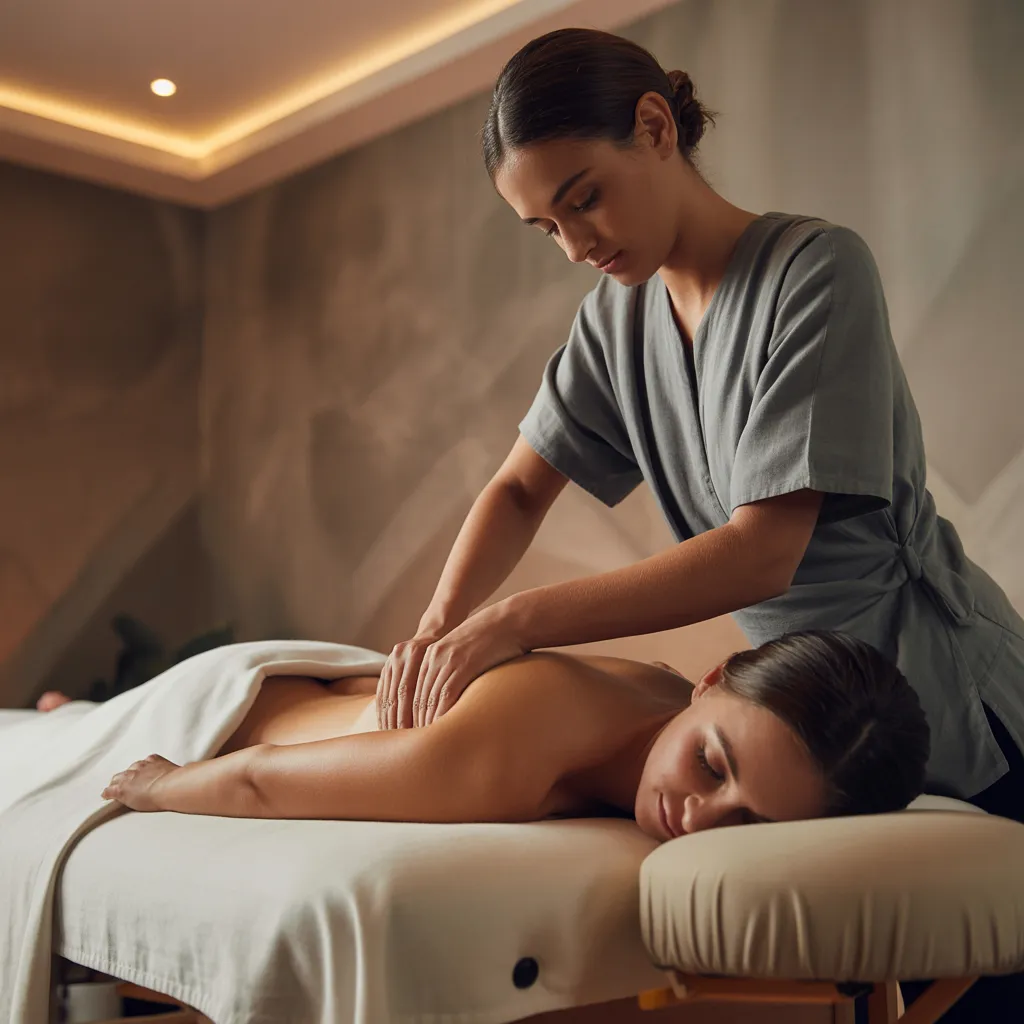
Spa Treatment Benefits for Mental and Physical Wellness
Although several might perceive spa treatments as just indulgences, they offer notable benefits for both the mind and body. These services frequently foster relaxation, minimizing stress levels and boosting overall health. The calm environment of a spa can create a peaceful atmosphere that promotes mindfulness and mental clarity, helping individuals to escape the pressures of daily life.
In terms of physical benefits, spa treatments can promote circulation, reduce muscle tension, and elevate skin health. Treatments such as massage therapy increase blood flow and release endorphins, offering pain relief and boosted energy. Furthermore, many treatments include natural ingredients that feed the skin, encouraging a healthy glow.
Alongside physical gains, the psychological element of spa treatments should not be underestimated. Embracing self-care through these services can cultivate a sense of self-empowerment and self-worth, in turn leading to improved mental health and emotional stability.
Why These Well-Known Spa Treatments Deserve Your Attention
Investigating popular spa therapies offers many advantages, including effective stress relief techniques that promote mental wellness. Additionally, these treatments can improve circulation, supporting overall health. Better skin health is another important benefit, making spa services a worthwhile option for anyone seeking revitalization.
Stress Reduction Strategies
Spa services offer an oasis for people seeking proven stress relief techniques that encourage both relaxation and rejuvenation. Among the most favored offerings are massages, which aid to release tension and reduce muscle pain, enabling the body to unwind. Aromatherapy enhances the experience by utilizing essential oils to create calming atmospheres, further diminishing anxiety. Facials provide not only skincare benefits but also moments of tranquility, enabling the mind to escape daily stresses. Furthermore, meditation and mindfulness practices offered in some spas promote mental clarity and emotional balance. These techniques collectively foster an environment beneficial to stress reduction, enabling people to recharge and restore their overall wellness. Finally, spa services serve as an essential tool in managing modern life's pressures.
Improved Blood Flow Benefits
Several individuals overlook the physical advantages of spa therapies, especially in connection with enhanced circulation. Multiple treatments, such as massages and hydrotherapy, encourage blood flow, supporting general cardiovascular health. Increased circulation enhances oxygen and nutrient distribution to tissues, which can relieve muscle tension and lessen soreness. Furthermore, improved blood flow can support the removal of toxins from the body, leading to a more efficient system. Spa treatments often incorporate techniques that address specific areas, facilitating deeper relaxation and revitalization. Regular visits to a spa can boost energy levels and overall well-being, making them an essential part of a balanced lifestyle. By focusing on circulation, individuals can experience not only quick comfort but also sustained health benefits.
Optimized Complexion Health
Luminous skin typically represents complete health and wellness, making optimized skin vitality a frequent incentive to indulge in spa services. Numerous people seek therapies such as facials, chemical peels, and body scrubs to enhance skin texture and tone. These services commonly contain nutritive substances like essential oils, antioxidants, and vitamins that foster hydration and rejuvenation. Frequent spa treatments can also assist in diminishing markers of aging, such as fine lines and wrinkles, by stimulating collagen production. Furthermore, skilled skin examinations allow for tailored services suited for specific skin concerns. By prioritizing better skin condition through spa services, people can experience a revitalized complexion while simultaneously experiencing relaxation and stress relief. This holistic approach to beauty underscores the interconnectedness of mind and body.
How to Choose the Best Massage for Stress Relief?
What's the best way to choose the ideal massage for stress relief? First, it is essential to identify personal stress triggers and preferences. Deep tissue massage, for example, targets tense muscles and may be advantageous for those experiencing chronic stress or pain. Conversely, a Swedish massage offers a gentler touch, promoting relaxation through gentle strokes and kneading.
Subsequently, clients should assess the massage atmosphere. A serene setting enhances the treatment, fostering an atmosphere conducive to relaxation. It is also vital to speak openly with the massage therapist about unique needs and areas of concern, ensuring a individualized approach.
Finally, examining various techniques, such as aromatherapy or hot stone massages, can improve the therapeutic experience. By recognizing personal needs, the setting, and available techniques, one can with confidence choose the right massage to reach ideal stress relief, finally renewing both mind and body.
Facial Spa Treatments: Rejuvenating Your Skin's Natural Beauty
Even though skincare routines can offer advantages, spa facials offer a concentrated treatment that can remarkably rejuvenate the skin. These specialized treatments are tailored to address personal skin concerns, utilizing top-quality products and techniques that are often inaccessible at home. Facials can purify, exfoliate, and hydrate the skin, encouraging a glowing complexion while also working to minimize the appearance of fine lines, wrinkles, and blemishes.
This experience additionally features components of relaxation, as expert estheticians commonly incorporate massage practices that support blood flow and relaxation. Active ingredients such as antioxidants, vitamins, and moisturizing compounds are typically used, enabling enhanced absorption and increased effectiveness.
In addition, spa facials can deliver a much-needed break from routine tasks, allowing individuals to decompress and dedicate time to self-care. Overall, the revitalizing power of spa facials can make the skin looking refreshed and revitalized, making them an vital component of any health routine.
Body Treatments: Scrubs and Wraps
Spa treatments extend beyond facials, offering a variety of body treatments that enhance both skin health and overall relaxation. Among these, body wraps and scrubs emerge as popular options. Body scrubs typically employ exfoliating ingredients, such as sea salt or sugar, to strip away dead skin cells, leaving the skin soft and refreshed. This process not only improves skin texture but also stimulates circulation, contributing to a healthier appearance.
Alternatively, body wraps frequently contain nutrient-rich ingredients including mud, algae, or essential oils. These wraps envelop the body, permitting the skin to absorb valuable nutrients while encouraging hydration. The heat generated during the treatment also helps with detoxification and relaxation. Together, wraps and scrubs establish a comprehensive approach to body care, addressing both aesthetic and wellness needs. As clients experience these treatments, they experience a profound sense of relaxation, making body treatments an essential part of any spa experience.
Exclusive Spa Treatments: Hydrotherapy and Aromatherapy Services
Hydrotherapy and aromatherapy treatments present distinct advantages that promote overall wellness. These approaches use essential oils and hydro-based therapies to foster relaxation and revitalization. Grasping their purposes can enable people to determine the best option for their objectives.
The Benefits of Aromatherapy
The soothing essence of aromatherapy offers a multitude of benefits that enhance both physical and mental well-being. By harnessing the therapeutic properties of essential oils, individuals can experience lower stress levels, better mood, and increased relaxation. Aromatherapy has been shown to ease anxiety and boost sleep quality, making it an ideal choice for those seeking tranquility in a hectic world. Additionally, certain oils possess analgesic and anti-inflammatory properties, insightful guide providing relief from muscular pain and tension. The fragrant aromas stimulate the limbic system, promoting emotional equilibrium and mental sharpness. As a holistic approach, aromatherapy not only revitalizes the senses but also fosters a deep connection between mind and body, making it a treasured part of spa experiences dedicated to rejuvenation.
Hydrotherapy Approaches Explained
While many seek relaxation through aromatherapy, hydrotherapy delivers a complementary approach that harnesses water's therapeutic properties for rejuvenation. This approach encompasses multiple methods, including warm baths, steam treatments, and underwater massages. Each method concentrates on specific concerns, such as stress relief, improved circulation, and muscle relaxation.
Heated water immersion relaxes tense muscles, while steam therapy promotes detoxification through perspiration. Hydrotherapy pools typically incorporate jets for targeted massage, improving the complete experience. Additionally, contrast hydrotherapy—alternating between warm and cold water—stimulates blood flow and revitalizes the body.
Advice for Picking the Right Spa for Your Requirements
What's the best way to choose the right spa that caters to their individual needs? To make an educated decision, individuals should first evaluate their specific goals, whether it be decompression, refreshment, or therapeutic treatment. Looking into local options is vital; reviewing reviews and seeking recommendations from acquaintances or online communities can deliver valuable information.
Next, potential spa-goers should evaluate the services offered. A reputable spa typically delivers a varied range of treatments, including massages, facials, and body therapies. It is also important to check the spa's certifications and staff qualifications to ensure a safe and professional experience.
Budget is another crucial aspect; people should locate a spa that fits within their financial plan while still maintaining high-quality offerings. Lastly, a pre-booking spa visit can help examine the setting and tidiness, assuring a pleasant and satisfying environment. By weighing these aspects, one can discover the ideal spa suited to their requirements.
FAQ
What's the Appropriate Attire for My Spa Visit?
Guests should wear comfortable, loosely-fitted clothing to their spa visit. Many spas provide robes and slippers, permitting guests to rest fully. It's advisable to avoid heavy makeup and jewelry for an ideal experience.
Is It Safe for Pregnant Women to Have Spa Treatments?
Expectant mothers may safely receive spa treatments by choosing appropriate options. Consulting a healthcare provider beforehand guarantees treatments are suitable, avoiding any procedures that may pose risks to both mother and baby.
How Much Time Do Spa Treatments Usually Take?
Spa sessions usually range between 30 minutes to two hours, depending on the service type. Elements such as the complexity of the treatment and the establishment's offerings can influence the length of every appointment.
Am I Allowed to Bring My Own Products to the Spa?
The majority of spas let clients bring their own products, though policies may vary. It's best to contact the spa beforehand to make certain that personal items are allowed and correspond with their treatment protocols.
What's the Correct Way to Tip at a Spa?
Normally, tipping at a spa varies from 15% to 20% of the total service fee, based on how satisfied you are. It is customary to tip your therapist, not the front desk staff, for their individualized care.